What Is MASH? Understanding Fatty Liver Disease and Why It Is More Common Than You Think

Most people have never heard of MASH. Yet it affects an estimated 3–5% of adults worldwide and is becoming one of the leading reasons for liver transplant in the United States. It progresses quietly, often with no symptoms at all until significant damage has already occurred — which is exactly why understanding it matters.
What Is MASH, and How Is It Different From Fatty Liver?
MASH stands for metabolic dysfunction-associated steatohepatitis. It is an advanced form of fatty liver disease, in which excess fat in the liver has begun to cause inflammation and damage to liver cells.
Fatty liver disease exists on a spectrum. The earliest stage, MASLD (metabolic dysfunction-associated steatotic liver disease), involves fat buildup without significant inflammation. When that fat accumulation begins to trigger active inflammation and cell injury, the condition is classified as MASH. Left unaddressed, MASH can progress to fibrosis — scarring of the liver tissue — and eventually to cirrhosis, liver failure, or liver cancer.
Who Is at Risk?
MASH does not discriminate, but certain factors significantly increase risk. You may be at elevated risk if any of the following apply:
- Type 2 diabetes or insulin resistance
- Obesity, particularly excess abdominal weight
- High cholesterol or elevated triglycerides
- High blood pressure
- Metabolic syndrome
- A sedentary lifestyle combined with a high-calorie diet
Research indicates that Hispanic populations face a disproportionately higher risk of fatty liver disease and MASH compared with other ethnic groups, likely due to a combination of genetic and metabolic factors. That makes access to screening and research participation especially relevant in Miami.
Why Most People Do Not Know They Have It
The most difficult characteristic of fatty liver disease is that it produces no obvious symptoms in its early and middle stages. No pain. No fatigue that stands out. No visible signs. Most people feel entirely normal while the condition advances over years, or even decades.
By the time symptoms do appear — abdominal discomfort, persistent fatigue, yellowing of the skin — the disease has often already reached an advanced stage. This is why routine screening matters, particularly for people with one or more of the risk factors above.
Is There a Treatment for MASH?
Until recently there were no medications approved specifically for MASH. That is beginning to change: the first MASH-specific therapy received FDA approval in 2024, and additional treatments are currently in Phase II and Phase III clinical trials — several of which are being conducted at research sites here in Miami.
Lifestyle changes remain a central part of management in every case. Any treatment decision should be made with a licensed physician who knows your medical history.
How Anmed Health Is Supporting Miami Patients
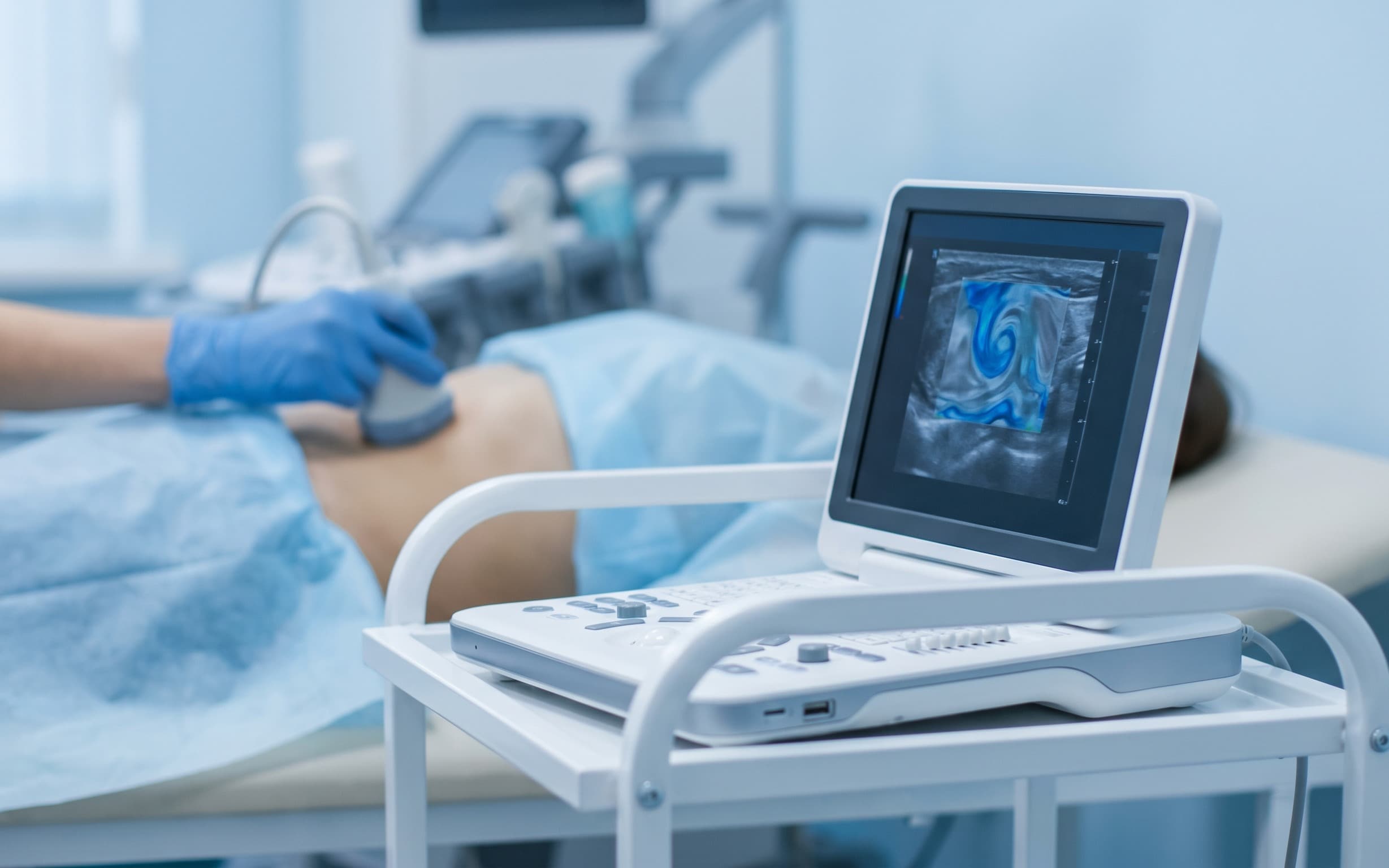
Anmed Health conducts MASH and fatty liver disease studies in partnership with pharmaceutical sponsors. Qualifying participants receive a free FibroScan — a non-invasive liver scan that detects fat and scarring in a matter of minutes — as part of the screening process.
Whether or not you go on to qualify for a study, the scan and its results are yours at no cost. For many of our patients, it is the first clear picture they have ever had of their liver health.
Find Out Where You Stand — For Free
If you have risk factors for fatty liver disease and have never been formally screened, this is a straightforward step you can take. A FibroScan at our Kendall clinic takes under 10 minutes, requires no preparation, and gives you real answers.
This article is for general educational purposes and is not medical advice. It does not describe or promote any investigational treatment. Screening does not guarantee eligibility for a study, and study participation requires medical evaluation. Speak with a licensed healthcare provider about your individual situation.